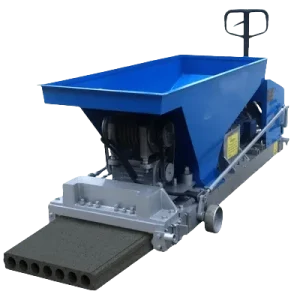

Precast concrete machinery
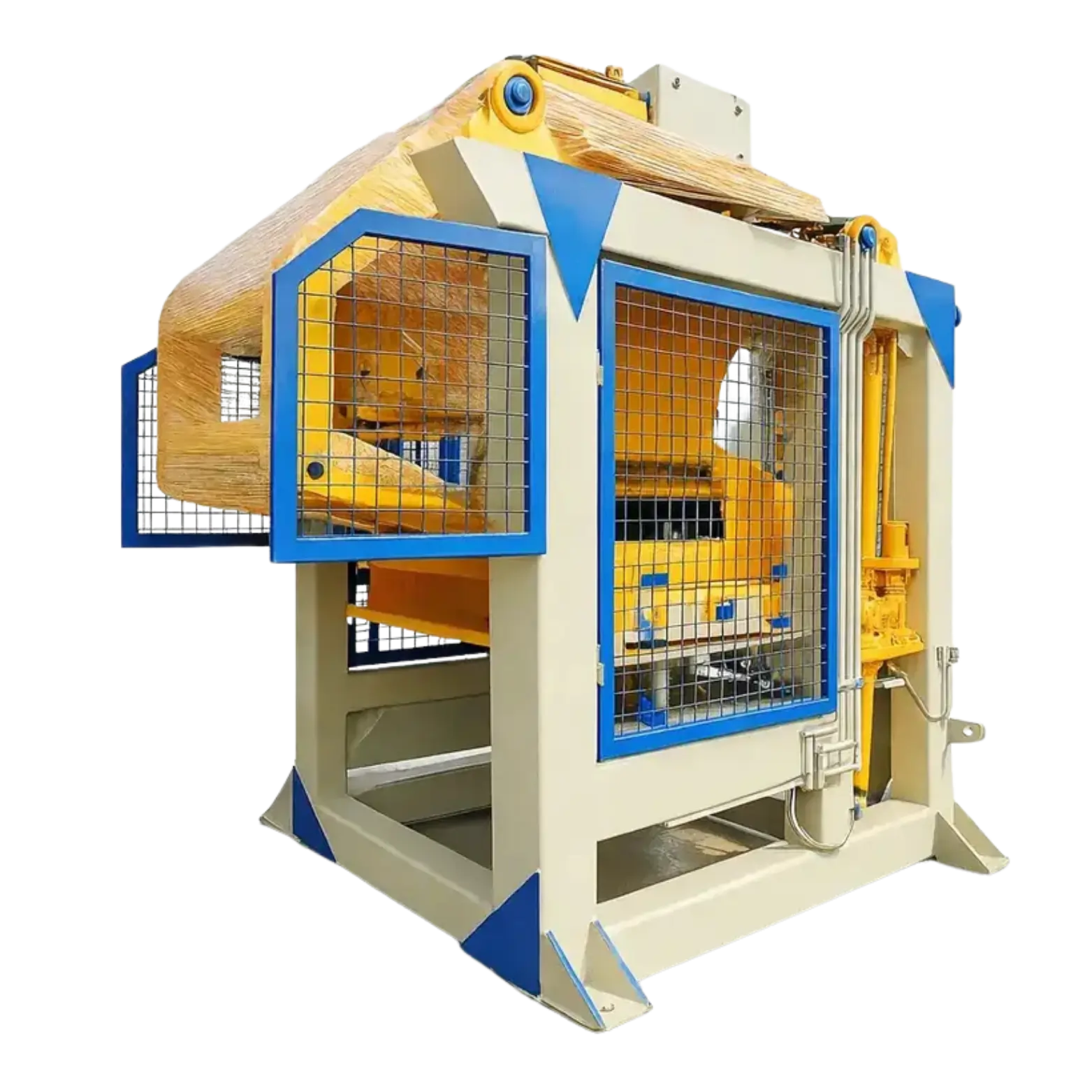
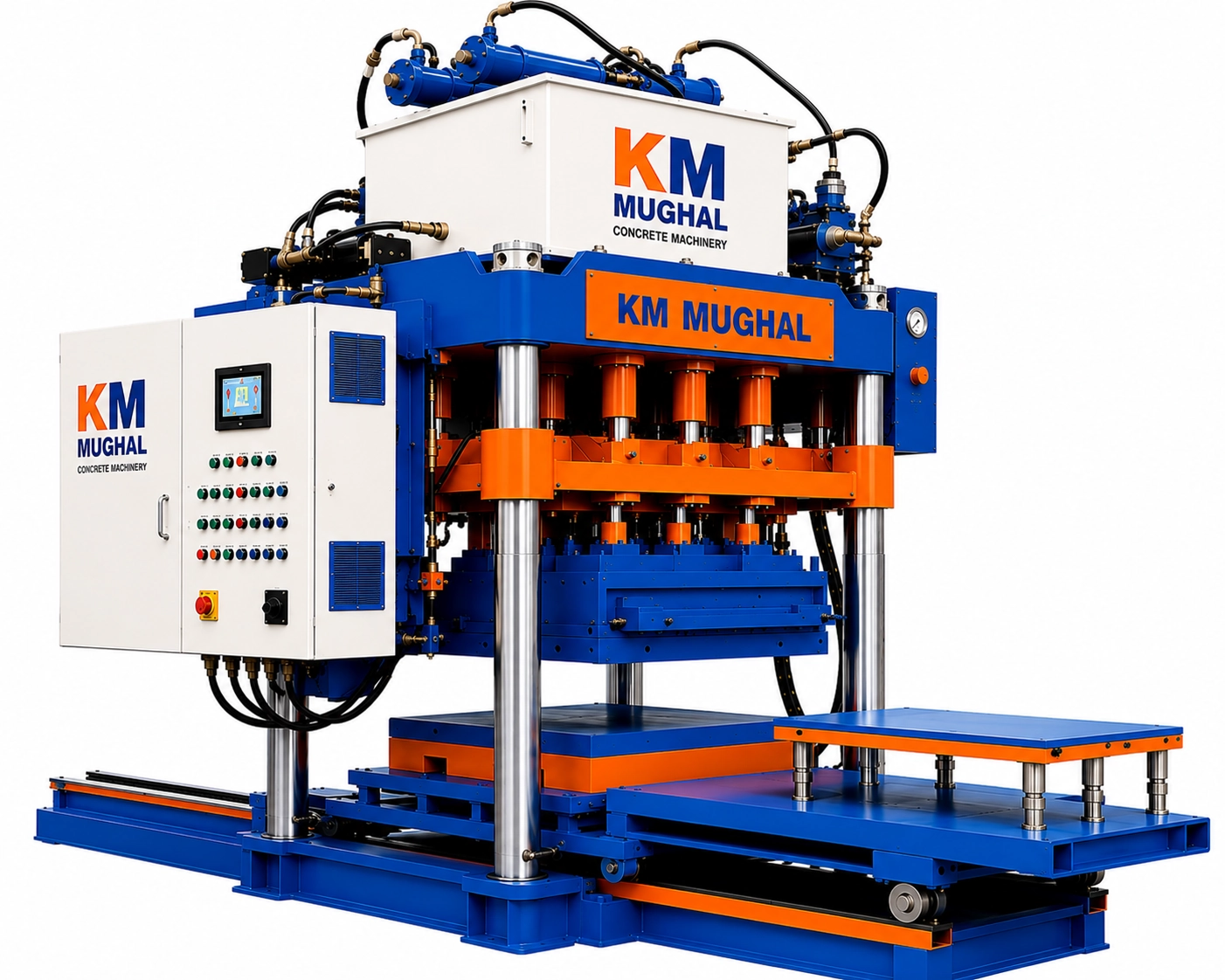
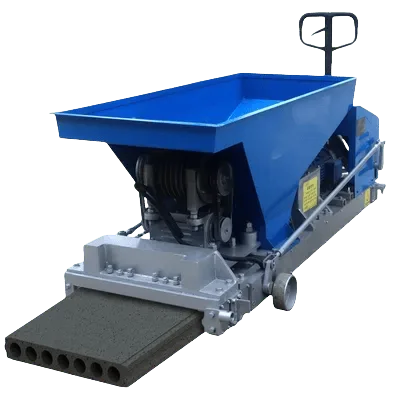
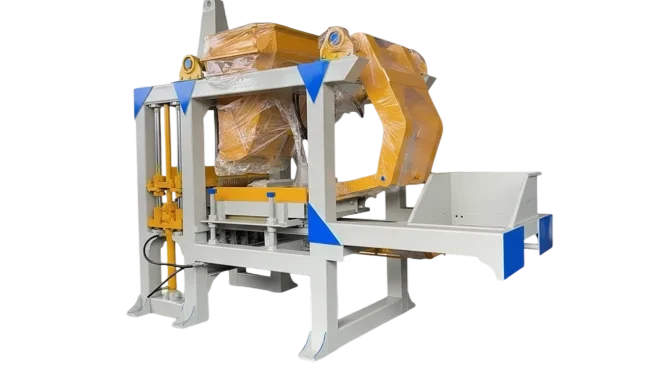
1 ProductsPrecast concrete machinery refers to industrial equipment used for manufacturing concrete elements in a controlled environment before they are transported to construction sites for installation. These machines are designed to produce high-quality precast products such as walls, slabs, pipes, beams, blocks, and panels with precise dimensions, superior strength, and consistent finishing. Simple Meaning: Precast concrete machinery is used to produce ready-made concrete parts in a factory setup instead of casting them directly on-site. Why Precast Concrete Machinery Is Used Are you looking for answers like: “What is precast concrete machinery used for?” “Best precast concrete plant for construction business” “Precast concrete production machine price in Pakistan” “How does the precast concrete system work?” “Which machinery is needed for precast concrete factory setup?” This page explains everything in a simple and practical way. Types of Precast Concrete Machinery 1. Precast Molding Machines Used for shaping walls, slabs, and blocks Ensures accurate size and uniform structure Suitable for mass production Best for: Structural precast components 2. Concrete Block & Panel Machines Produces solid blocks and wall panels High-pressure and vibration system Consistent strength output Best for: Construction and housing projects 3. Pipe & Drainage Precast Machines Used for RCC pipe production High compaction and durability Designed for infrastructure projects Best for: Sewerage and drainage systems 4. Fully Automatic Precast Plants Computer-controlled production lines High-speed manufacturing system Minimal human involvement Best for: Large-scale industrial production How Precast Concrete Machinery Works Concrete mixture is prepared with cement, sand, and aggregates Material is poured into molds or casting beds Vibration and pressure are applied for compaction Concrete is cured under controlled conditions Finished precast products are demolded and stored This process ensures better strength and quality compared to on-site casting. Key Features and Benefits High precision and uniform product quality Faster construction time on-site Reduced labor dependency Controlled factory-based production High durability and strength of products These benefits make precast systems highly efficient for modern construction. Applications of Precast Concrete Machinery Precast machinery is widely used in: Residential and commercial building projects Road and highway construction Bridge and infrastructure development Drainage and sewerage systems Industrial construction projects Pricing of Precast Concrete Machinery The price of precast concrete machinery depends on production capacity, automation level, machine type, and plant configuration. Small-scale machines are more affordable, while fully automated precast plants require higher investment due to advanced technology and large-scale output capability. At KM Mughal, we provide durable and high-performance precast concrete machinery designed for efficient factory-based production in Pakistan and global markets. Factors Affecting Price Level of automation (manual, semi, fully automatic) Production capacity and output size Type of precast products (blocks, pipes, slabs) Machine build quality and materials Custom plant requirements Smart Insight: Investing in a complete precast system improves productivity and reduces long-term construction cost. Why Choose KM Mughal? Trusted manufacturer of construction machinery Reliable precast production systems High-quality industrial-grade equipment Competitive pricing in local and global markets Custom-built solutions for different industries How to Choose the Right Precast Machinery Users often ask: “Which precast machine is best for my business?” Consider: Type of products you want to manufacture Daily production requirements Level of automation needed Available space and factory setup Budget and long-term growth plans Common Mistakes to Avoid Choosing low-capacity machines for large demand Ignoring factory setup requirements Selecting incompatible molds or systems Not planning future production expansion What Makes Good Precast Machinery? A high-quality precast system should: Deliver consistent and accurate production Support continuous industrial operation Reduce material wastage Ensure strong structural output Poor systems result in uneven products and production delays. FAQs What is precast concrete machinery used for? It is used to manufacture concrete components in a factory before installation on-site. What products can be made with precast machines? Blocks, slabs, pipes, walls, beams, and panels. What is the advantage of precast construction? It reduces construction time and improves product quality. Is precast machinery suitable for large projects? Yes, especially fully automatic systems. What is the cost of precast concrete machinery? It depends on size, automation, and production capacity.
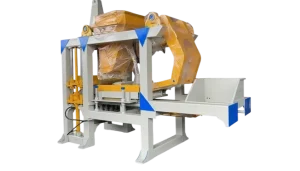
Stackers
1 ProductsStackers are material handling machines used in construction and industrial production setups to lift, move, and neatly stack heavy items such as concrete blocks, paver tiles, cement products, and packaged materials. They help organize production output efficiently, reduce manual labor, and improve workflow in manufacturing yards and precast industries. Simple Meaning: A stacker is a machine that lifts and arranges heavy construction materials in proper stacks for easy handling, storage, and transport. Why Stackers Are Used in Industry Are you looking for answers like: “Block stacking machine for concrete factory” “Paver tile stacker price in Pakistan” “Automatic stacker for block making plant” “How to handle heavy concrete products safely” “Best material handling equipment for precast yard” This page explains everything in a simple and practical way. Types of Stackers 1. Manual Stackers Operated with hydraulic hand system Low lifting capacity Budget-friendly solution Best for: Small block and tile production units 2. Semi-Automatic Stackers Powered lifting system Moderate speed and capacity Requires limited operator control Best for: Medium production facilities 3. Fully Automatic Stackers Computer-controlled operation High-speed stacking system Minimal labor requirement Best for: Large industrial precast plants 4. Fork-Type Industrial Stackers Fork lifting mechanism Heavy-load handling capability Suitable for bulk material movement Best for: Large factories and storage yards How Stackers Work Finished concrete products are placed on pallets or conveyors Stacker machine lifts the load using hydraulic or mechanical force Materials are moved to storage area Products are arranged in uniform stacks Ready for curing, storage, or transport This process improves speed, safety, and organization in production yards. Key Features and Benefits Reduces manual labor and workload Improves production yard organization Safe handling of heavy materials Increases efficiency of block and tile plants Reduces product damage during movement Stackers are essential for modern industrial production flow. Applications Stackers are widely used in: Concrete block manufacturing plants Tuff tile and paver production units Precast concrete factories Construction material warehouses Industrial storage yards Pricing of Stackers The price of stackers depends on lifting capacity, automation level, structure quality, and operational type. Manual stackers are more economical, while fully automatic industrial stackers require higher investment due to advanced hydraulic systems and higher productivity. At KM Mughal, we provide durable and efficient stackers designed for smooth material handling in construction production environments across Pakistan and global markets. Factors Affecting Price Lifting capacity (load weight) Type (manual, semi, automatic) Hydraulic system quality Structure strength and durability Production line compatibility Smart Insight: Choosing the right stacker improves workflow speed and reduces production downtime. Why Choose KM Mughal? Trusted manufacturer of construction machinery Strong and durable material handling equipment Efficient and reliable stacking solutions Competitive pricing in Pakistan and export markets Custom solutions for different production setups How to Choose the Right Stacker Users often ask: “Which stacker is best for my plant?” Consider: Daily production volume Weight of materials being handled Level of automation required Factory space and layout Integration with production line Common Mistakes to Avoid Choosing low-capacity stackers for heavy production Ignoring machine compatibility with plant layout Using manual systems for large-scale operations Not considering future expansion needs What Makes a Good Stacker? A high-quality stacker should: Lift heavy loads safely and smoothly Operate efficiently with minimal downtime Reduce handling damage to products Integrate easily with production systems Poor stackers slow down production and increase labor cost. FAQs What is a stacker used for? It is used to lift and stack concrete blocks, tiles, and industrial materials. Which industries use stackers? Block making plants, tile factories, and precast industries. What is the price of a stacker? Price depends on capacity, type, and automation level. Are stackers manual or automatic? They are available in manual, semi-automatic, and fully automatic versions. Do stackers improve production efficiency? Yes, they reduce manual handling and speed up material movement.
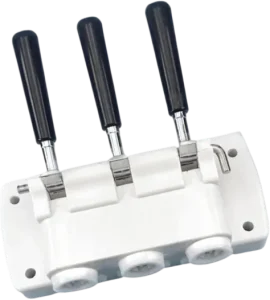
Machinery parts / accessories
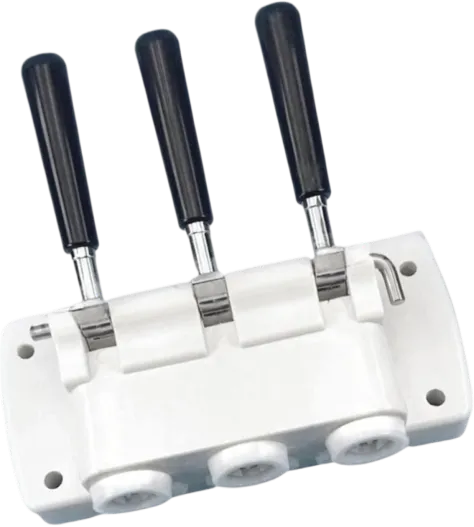
1 ProductsMachinery parts and accessories are essential components used to maintain, repair, and enhance the performance of construction machinery such as block making machines, paver machines, concrete mixers, vibration systems, and batching plants. These parts ensure smooth operation, reduce downtime, and extend the working life of industrial equipment. Simple Meaning: Machinery parts and accessories are replacement or supporting components that keep construction machines running efficiently. What Users Usually Search Before Buying Are you looking for answers like: “Construction machinery spare parts supplier in Pakistan” “Block making machine parts and accessories” “Concrete mixer machine spare parts price” “Hydraulic system accessories for machines” “Best quality industrial machine parts for replacement” This page helps you find the right parts for your machinery needs. Types of Machinery Parts & Accessories 1. Mechanical Parts Gears, shafts, bearings Machine frames and couplings Used for movement and structure Best for: All types of construction machinery 2. Hydraulic Components Hydraulic pumps and cylinders Valves and pressure systems Oil tanks and hoses Best for: Hydraulic press and block machines 3. Electrical Parts Motors and control panels Wiring systems and switches Sensors and automation units Best for: Automatic and semi-automatic machines 4. Wear & Tear Parts Molds and dies Rubber pads and vibration plates Cutting and shaping tools Best for: Block, tile, and paver production machines 5. Conveyor & Support Accessories Rollers and belts Vibration tables accessories Feeding and discharge systems Best for: Production line machinery setups Key Features and Benefits Improves machine performance and efficiency Reduces breakdown and downtime Extends machinery lifespan Ensures smooth production flow Easy replacement and installation High-quality parts directly impact production quality and output. Importance of Genuine Spare Parts Using original or high-quality accessories ensures: Better machine stability Lower maintenance cost Higher production accuracy Longer operational life Low-quality parts often lead to frequent breakdowns and production loss. Applications Machinery parts and accessories are used in: Concrete block making machines Paver and tuff tile machines Concrete mixers Hydraulic press systems Batching plants and conveyors Pricing of Machinery Parts & Accessories The price of machinery parts depends on type, material quality, machine compatibility, and usage. Simple mechanical parts are more affordable, while hydraulic and automation components are more advanced and cost higher due to precision engineering. At KM Mughal, we provide durable and high-performance machinery parts and accessories for construction equipment, ensuring reliable operation and long-term productivity in Pakistan and global markets. Factors Affecting Price Type of part (mechanical, hydraulic, electrical) Material quality and durability Machine compatibility Technical specifications Custom requirements Smart Insight: Investing in quality spare parts reduces long-term repair and downtime costs. Why Choose KM Mughal? Trusted supplier of construction machinery parts High-quality durable components Wide range of machine-compatible accessories Competitive pricing in local and global markets Reliable support and availability How to Choose the Right Parts Users often ask: “Which spare parts are suitable for my machine?” Consider: Machine model and compatibility Part quality and durability Production load requirements Frequency of replacement Supplier reliability Common Mistakes to Avoid Using incompatible spare parts Choosing low-quality materials Ignoring machine specifications Delaying replacement of worn-out parts What Makes Good Machinery Parts? High-quality parts should: Fit perfectly with the machine Withstand heavy industrial use Reduce vibration and wear Ensure smooth and stable operation Poor parts lead to machine failure and production delays. FAQs What are machinery parts used for? They are used to repair, maintain, and improve construction machinery performance. Where can I buy construction machine spare parts? From trusted suppliers like KM Mughal in Pakistan and global markets. Which parts wear out the fastest? Molds, bearings, hydraulic seals, and vibration components. Are all parts machine-specific? Yes, most parts are designed for specific machine models. Do spare parts affect machine performance? Yes, high-quality parts improve efficiency and durability.
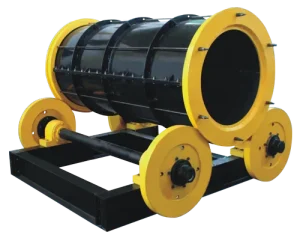
Concrete pipe making machinery
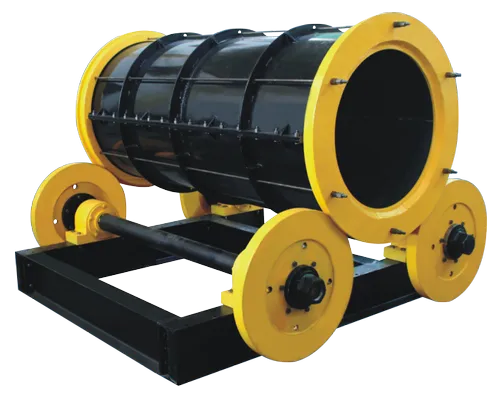
1 ProductsConcrete Pipe Making Machinery is industrial equipment used to produce strong and durable RCC pipes for drainage, sewerage, irrigation, and infrastructure projects with high efficiency and consistent quality. Available in semi-automatic and fully automatic systems, these machines support different production capacities and pipe sizes based on business needs. For businesses looking to start or expand pipe manufacturing, KM Mughal provides reliable concrete pipe making machinery in Pakistan and globally, offering durable solutions, competitive pricing, and complete support for long-term industrial production. Best Concrete Pipe Making Machinery Concrete pipe making machinery is industrial equipment used to manufacture reinforced concrete pipes (RCC pipes) for drainage, sewerage, irrigation, and construction infrastructure projects. These machines automate the process of molding, compacting, and shaping concrete into strong, durable pipes with consistent size and quality. Simple Answer: It is a machine used to produce concrete pipes for drainage and infrastructure systems in bulk with high strength and precision. What Users Commonly Search Before Buying Are you wondering about things like: “What is a concrete pipe making machine and how does it work?” “Best RCC pipe manufacturing machine for business” “Concrete pipe machine price in Pakistan” “Automatic concrete pipe production line setup cost” “Which machine is best for drainage pipe production?” This page answers all of these questions in one place. Types of Concrete Pipe Making Machines 1. Semi-Automatic Pipe Making Machine Requires some manual handling Moderate production speed Cost-effective setup Best for: Small to medium businesses 2. Fully Automatic Pipe Making Machine Computerized operation High production output Minimal labor required Best for: Large industrial pipe manufacturing units Roller Suspension Pipe Machine Uses roller and vibration system Produces high-density RCC pipes Strong compaction quality Best for: High-strength infrastructure pipes Vertical Vibration Pipe Machine Vertical mold system Fast production cycle High uniformity in pipes Best for: Mass production setups How Concrete Pipe Making Machines Work The machine works in a simple process: Concrete is prepared using cement, sand, and aggregates Material is fed into molds Vibration and pressure compact the mixture Pipe is formed and cured Finished RCC pipe is removed for drying This process ensures strong, crack-resistant pipes. Key Features and Benefits High-strength RCC pipe production Uniform size and shape accuracy Heavy-duty steel structure Vibration-based compaction system Reduced labor and faster production These features improve efficiency and product quality significantly. Production Capacity Capacity depends on machine type: Small machines: 20–50 pipes/day Medium machines: 50–150 pipes/day Large automatic plants: 150–500+ pipes/day Users should choose based on demand and project scale. Components of Concrete Pipe Making Machinery A complete system includes: Pipe mold sets (different diameters) Vibration system Hydraulic or mechanical press unit Concrete feeding system Control panel (in automatic machines) Curing and handling equipment Applications of Concrete Pipes Concrete pipes made from these machines are used in: Drainage systems Sewerage networks Irrigation channels Road infrastructure projects Industrial water systems Pricing of Concrete Pipe Making Machinery The price of concrete pipe making machines depends on automation level, production capacity, and machine type. Semi-automatic machines are more affordable, while fully automatic systems and complete production lines require higher investment. At KM Mughal, we provide durable and high-performance concrete pipe making machinery for both local and international markets, ensuring reliable production and long-term industrial use. Factors Affecting Price Machine automation level Production capacity per day Pipe diameter range capability Hydraulic and vibration system quality Custom plant requirements Buying Insight: Instead of focusing only on price, consider production output and long-term durability. Why Choose KM Mughal? Trusted manufacturer of construction machinery High-quality industrial-grade machines Competitive pricing in Pakistan and global markets Custom-designed pipe production solutions After-sales support and technical assistance How to Choose the Right Machine Users often ask: “Which concrete pipe machine should I buy?” Consider: Required daily production Pipe sizes and diameter range Budget and expansion plans Automation level needed Site space and power availability Common Mistakes to Avoid Choosing wrong pipe diameter capacity Ignoring automation requirements Buying low-quality molds Not planning production demand properly What Makes a Good Concrete Pipe Machine? A high-quality machine should: Produce crack-free and strong pipes Maintain uniform density Handle continuous production without breakdown Reduce cement wastage Poor machines lead to weak pipes and project failures. FAQs What is a concrete pipe making machine used for? It is used to manufacture RCC pipes for drainage, sewerage, and construction projects. How does a concrete pipe machine work? It molds and compresses concrete using vibration and pressure systems. What is the price of a concrete pipe making machine in Pakistan? It depends on machine type, capacity, and automation level. Which machine is best for pipe manufacturing business? Fully automatic machines are best for large-scale production. Can one machine make different pipe sizes? Yes, by using interchangeable molds. How many pipes can be produced per day? Production ranges from 20 to 500+ pipes depending on machine type. Is training required to operate it? Basic training is recommended for efficient operation.
Hydraulic press machines
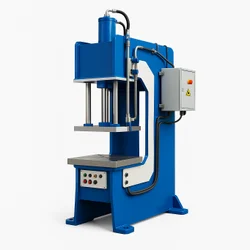
1 ProductsHydraulic press machines are powerful industrial equipment used to generate high compressive force through hydraulic pressure to shape, mold, compress, or assemble materials. In the construction and manufacturing industry, they are widely used for producing concrete blocks, tuff tiles, pavers, and other precast products with high density, strength, and precision. Simple Meaning: A hydraulic press machine uses hydraulic force to press materials into strong and accurate shapes. What Users Usually Search Before Buying Are you looking for answers like: “Hydraulic press machine price in Pakistan” “Best hydraulic press for block making” “Industrial hydraulic press machine for construction” “How does a hydraulic press machine work?” “Heavy-duty press machine for tuff tiles and blocks” This page helps you understand everything before making a decision. Types of Hydraulic Press Machines 1. Manual Hydraulic Press Hand-operated system Low production capacity Simple and budget-friendly Best for: Small workshops and low-scale production 2. Semi-Automatic Hydraulic Press Combined manual and hydraulic control Medium production output Balanced efficiency and cost Best for: Growing construction businesses 3. Fully Automatic Hydraulic Press Computer-controlled hydraulic system High-speed production Minimal labor requirement Best for: Large industrial manufacturing plants 4. Heavy-Duty Industrial Press High-pressure output system Designed for continuous operation Maximum durability and strength Best for: Large-scale precast and construction industries How Hydraulic Press Machines Work Material (cement, aggregates, or raw components) is placed into molds Hydraulic system generates high pressure Material is compressed into required shape Mold is released after forming strong, dense products Finished product is removed for curing or processing This process ensures high strength and precise shaping. Key Features and Benefits High-pressure hydraulic system for strong compression Produces dense and durable products Reduces air gaps and material wastage Heavy steel frame for long-term use Smooth and controlled operation These benefits make it ideal for industrial-scale production. Components of Hydraulic Press Machines Hydraulic cylinder system Pump and motor unit Control panel Pressure plates or pressing head Steel frame structure Oil tank and hydraulic fluid system Applications Hydraulic press machines are used in: Concrete block production Tuff tile and paver manufacturing Precast concrete industries Construction material shaping Industrial molding and compression work Pricing of Hydraulic Press Machines The cost of hydraulic press machines depends on pressure capacity, automation level, size, and build quality. Manual presses are more affordable, while fully automatic and heavy-duty systems require higher investment due to advanced hydraulic technology and industrial performance. At KM Mughal, we provide high-quality hydraulic press machines designed for durability, precision, and long-term industrial use in Pakistan and global markets. Factors Affecting Price Pressure capacity (tons) Automation level Machine size and structure Hydraulic system quality Production requirements Smart Insight: Higher pressure capacity means stronger output and better product quality. Why Choose KM Mughal? Trusted manufacturer of construction machinery High-performance hydraulic systems Durable industrial-grade construction Competitive pricing in local and global markets Custom-built machine solutions How to Choose the Right Hydraulic Press Machine Users often ask: “Which hydraulic press machine is best for my business?” Consider: Required pressure capacity Type of products (blocks, tiles, etc.) Production volume per day Automation preference Budget and expansion plans Common Mistakes to Avoid Choosing low-pressure machines for heavy production Ignoring material compatibility Selecting low-quality hydraulic systems Not considering long-term maintenance What Makes a Good Hydraulic Press Machine? A high-quality machine should: Deliver consistent and high pressure Operate smoothly without leakage or failure Produce uniform and dense products Support continuous industrial operation Poor machines lead to weak output and frequent breakdowns. FAQs What is a hydraulic press machine used for? It is used to compress materials into strong and precise shapes using hydraulic force. Which industries use hydraulic press machines? They are used in construction, block making, tile production, and industrial manufacturing. What is the price of a hydraulic press machine? Price depends on capacity, automation, and machine type. Can it be used for block making? Yes, it is widely used in concrete block and tile production. Is it suitable for large-scale production? Yes, especially fully automatic and heavy-duty models.
Concrete tuff tile & block making machine
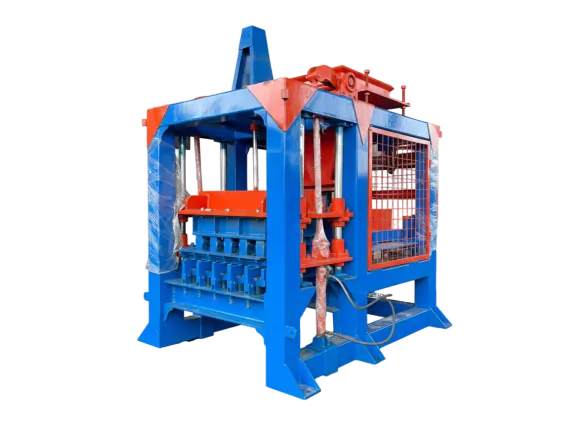
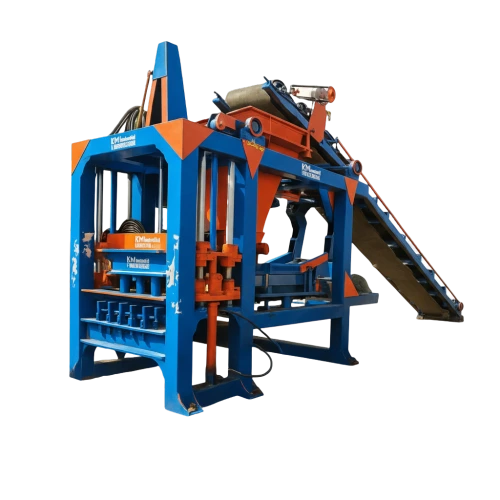
22 ProductsConcrete tuff tile & block making machines are advanced construction equipment designed to produce high-strength tuff tiles, concrete blocks, and paving products using cement, sand, aggregates, and vibration or hydraulic pressure systems. These machines ensure uniform shape, accurate sizing, and durable output suitable for modern construction and landscaping projects. Simple Meaning: It is a machine that manufactures tuff tiles and concrete blocks in bulk with consistent quality and high durability. What Users Usually Search Before Buying Are you searching for answers like: “Best tuff tile and block making machine for business” “Concrete paver and block machine price in Pakistan” “Automatic tuff tile production machine” “Which machine is best for interlocking tiles and blocks?” “Tuff tile manufacturing plant setup cost” This page is designed to answer all these queries clearly. Types of Concrete Tuff Tile & Block Making Machines 1. Manual Machine Simple operation system Low production capacity Affordable setup Best for: Small startups and local production 2. Semi-Automatic Machine Balanced manual + automated control Medium production output Cost-efficient performance Best for: Growing tile and block businesses 3. Fully Automatic Machine Computer-controlled operation High-speed production Minimal labor requirement Best for: Large-scale industrial production units How the Machine Works The production process includes: Mixing cement, sand, and aggregates Feeding mixture into molds Applying vibration and hydraulic pressure Forming tiles or blocks with precise shape Demolding and curing for final strength This process ensures strong, crack-resistant, and uniform products. Key Features and Benefits High-pressure vibration system for durability Uniform tile and block production Heavy-duty steel structure for long life Easy mold change system Low maintenance and energy-efficient operation These benefits make production faster and more profitable. Production Capacity Small machines: 1,000–3,000 units/day Medium machines: 3,000–8,000 units/day Large automatic plants: 10,000+ units/day Select capacity based on your market demand and business scale. Components of the Machine Molding system (interchangeable molds) Vibration unit Hydraulic press system Motor and control panel Steel frame structure Applications Concrete tuff tile & block machines are used in: Driveways and road paving Residential and commercial flooring Landscaping and outdoor design Construction block production Infrastructure development projects Pricing of Concrete Tuff Tile & Block Making Machines The cost of these machines varies depending on automation level, production capacity, and design features. Manual machines are more budget-friendly, while fully automatic systems require higher investment due to advanced technology and high output capability. At KM Mughal, we provide durable and high-performance tuff tile and block making machines designed for both small businesses and large industrial setups in Pakistan and global markets. Price Influencing Factors Automation level (manual, semi, automatic) Production capacity per day Mold variety and customization Machine build quality and steel grade Hydraulic and vibration system strength Smart Insight: Focus on production efficiency and long-term durability instead of only initial cost. Why Choose KM Mughal? Trusted manufacturer of construction machinery Strong and durable industrial-grade machines Competitive pricing in Pakistan and export markets Custom solutions for different production needs Professional after-sales support How to Choose the Right Machine Users often ask: “Which tuff tile machine should I buy?” Consider: Daily production requirement Type of products (tiles or blocks) Automation preference Budget and expansion plans Available space and power supply Common Mistakes to Avoid Selecting wrong capacity for demand Ignoring mold quality and compatibility Choosing low-quality hydraulic systems Not planning future production growth What Makes a Good Machine? A high-quality tuff tile & block machine should: Produce consistent and crack-free products Maintain stable pressure and vibration Reduce cement wastage Support continuous production without failure Poor machines often lead to uneven shapes and low product strength. FAQs What is a tuff tile and block making machine used for? It is used to produce concrete tiles and blocks for construction and paving projects. Which machine is best for tuff tile production? Fully automatic machines are best for large-scale production, while semi-automatic suits medium businesses. What is the price of a tuff tile machine? Price depends on capacity, automation, and machine features. Can one machine produce both tiles and blocks? Yes, with interchangeable molds. How many units can it produce per day? It ranges from 1,000 to 10,000+ units depending on machine type.
Total Categories: 21
-
Concrete Block, Paver & Tuff Tile Machines (11)
-
Terrazzo Tile Making Machine (1)
-
Aggregate hoppers (16)
-
Cement silos (15)
-
Clay brick & block making machine (10)
-
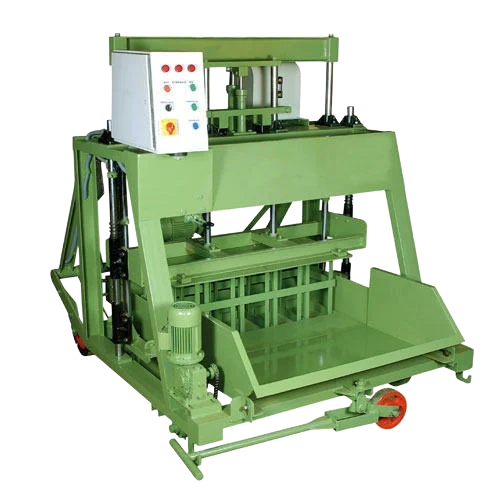
Concrete Egg laying Block making machine (1)
-
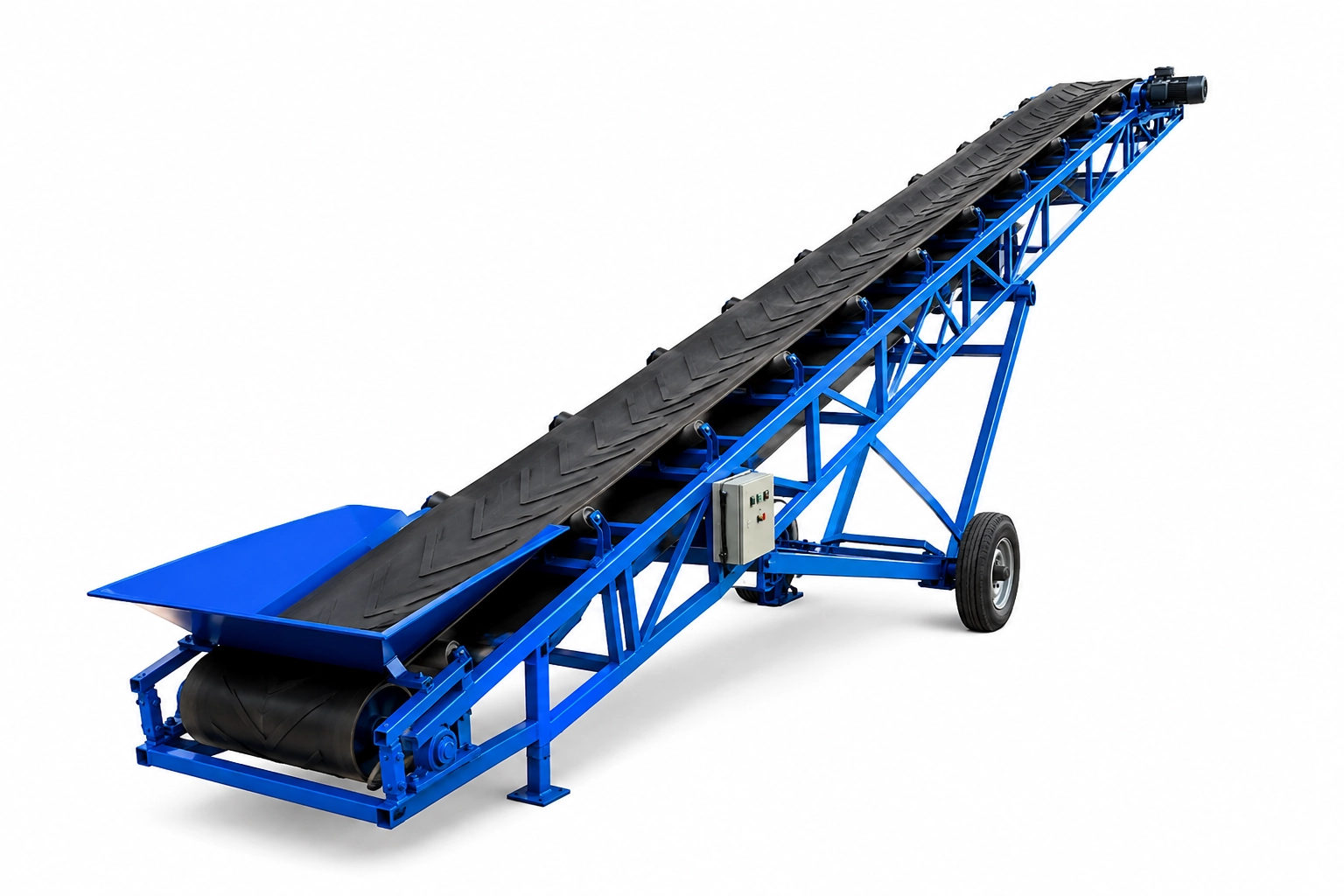
Concrete Conveyor Belts (1)
-
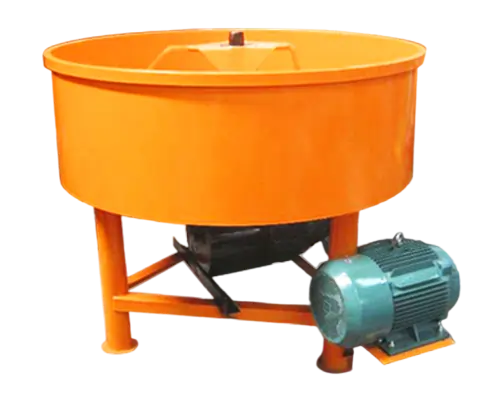
Concrete mixer machines (18)
-
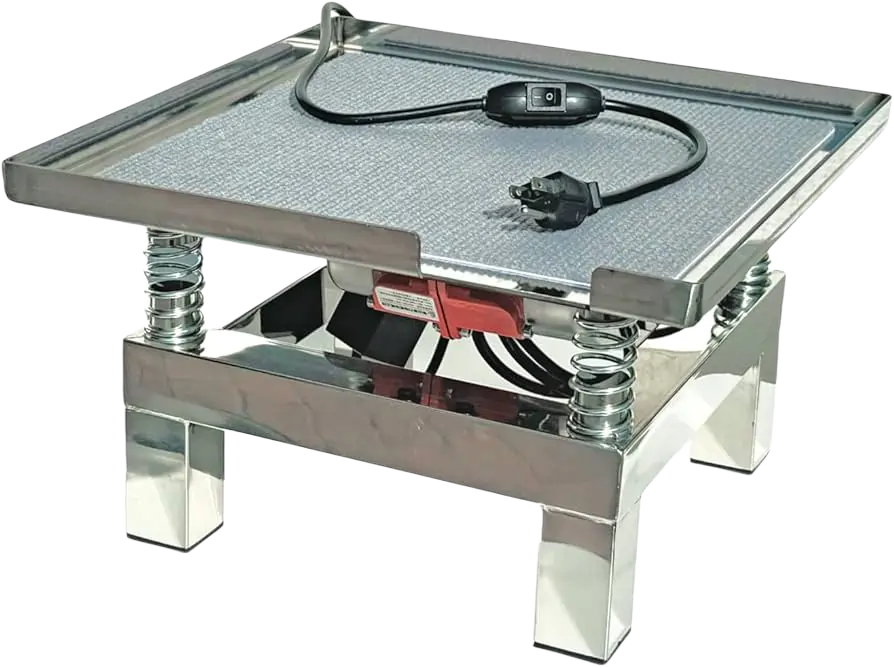
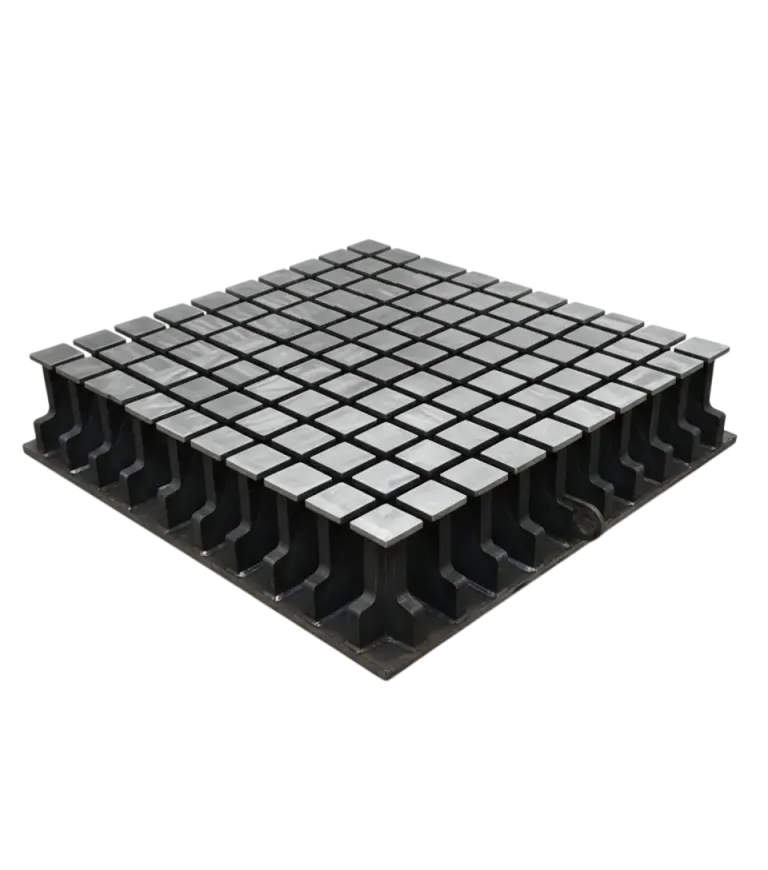
Concrete vibration Tables (1)
-
Concrete tuff tile & block making machine moulds (54)
-
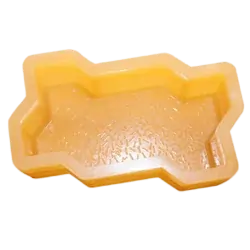
Plastic moulds for concrete tiles & blocks (2)
-
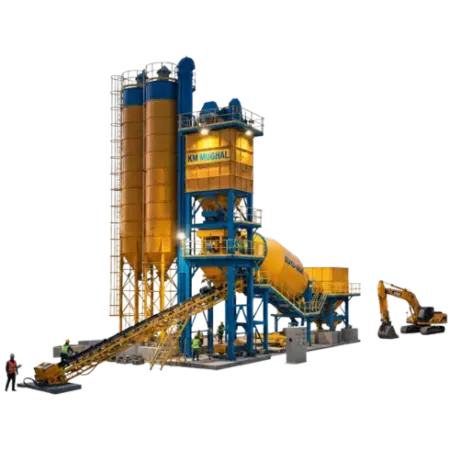
Ready mix plants (1)
-
Precast concrete machinery (1)
-
Stackers (1)
-
Machinery parts / accessories (1)
-
Concrete pipe making machinery (1)
-
Hydraulic press machines (1)
-
Concrete tuff tile & block making machine (22)
-
Paver tiles & blocks (1)
-
Rubber mountings (1)
-
Wooden pallets or packing pallets (3)